Sustainability Expertise & Credentials: Warren Techentin, AIA, NCARB, LEED-ap
WTARCH sculpts light, materials, and space to create inspiring architecture grounded in urban, social, and sustainable responsibility. Responding to their surroundings with sensitivity, invention, economy, and imagination, WTARCH’s projects seek to make substantive impacts in the communities they build in by creating vibrant environments which take cues from the expanded cultural landscape. WTARCH’s design strategy relies upon and integrates the following three principals:
PERFORMATIVITY. Simply stated: WTARCH’s buildings perform. WTARCH believes that architecture is more than merely satisfying the functional requirements of a project. Architecture has the capacity to positively impact people’s lives. Buildings orchestrate and promote communities, events, dialogue, civic interaction, and integration. WTARCH endeavors to build high-performance environments which nest multiple systems and infrastructures and augment user interface to help support the life, events, and communities who use them.
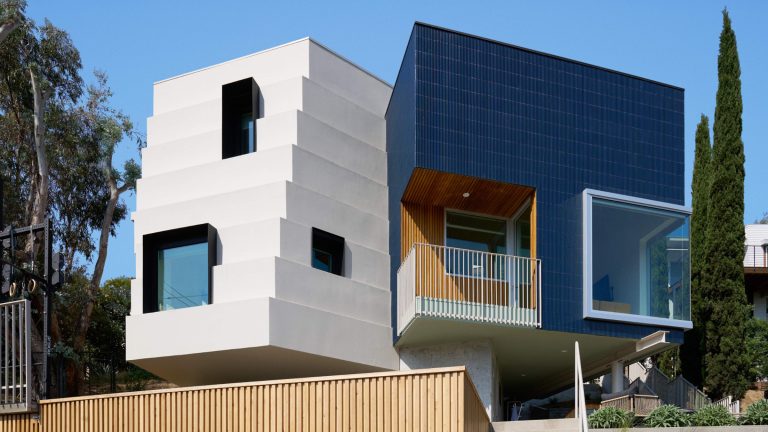
AESTHETIC SIGNIFICANCE. WTARCH builds unique, site-specific buildings which engage the senses and context and ultimately reflect the diversity of our cities and towns. WTARCH seeks to understand and orchestrate–through their buildings–the physical and cultural importance of a place through careful relational form-making and integrative planning through space and form. WTARCH has never submitted to simple stylistic design formulas nor “cookie-cutter” strategies of design. Substantive research is undertaken with each project to establish a meaningful set of forms, colors, materials, and attitudes about building which optimize a building’s position of cultural significance within its environment while simultaneously attempting to register the
natural environment in form.
SUSTAINABILITY. Our buildings seek to become responsible participants within their communities. Understanding that a building’s lifespan far outlasts the costs associated with construction, we seek to limit the negative impact our buildings have on the environment, the community, and future economies by integrating and utilizing strategies, technologies, and materials that help preserve our fragile ecosystem and reduce the need for fuel, maintenance, and upgrades.